

Tim Winton's answer to toxic masculinity: god?
- Written by: Lyn McCredden, Personal Chair, Literary Studies, Deakin University
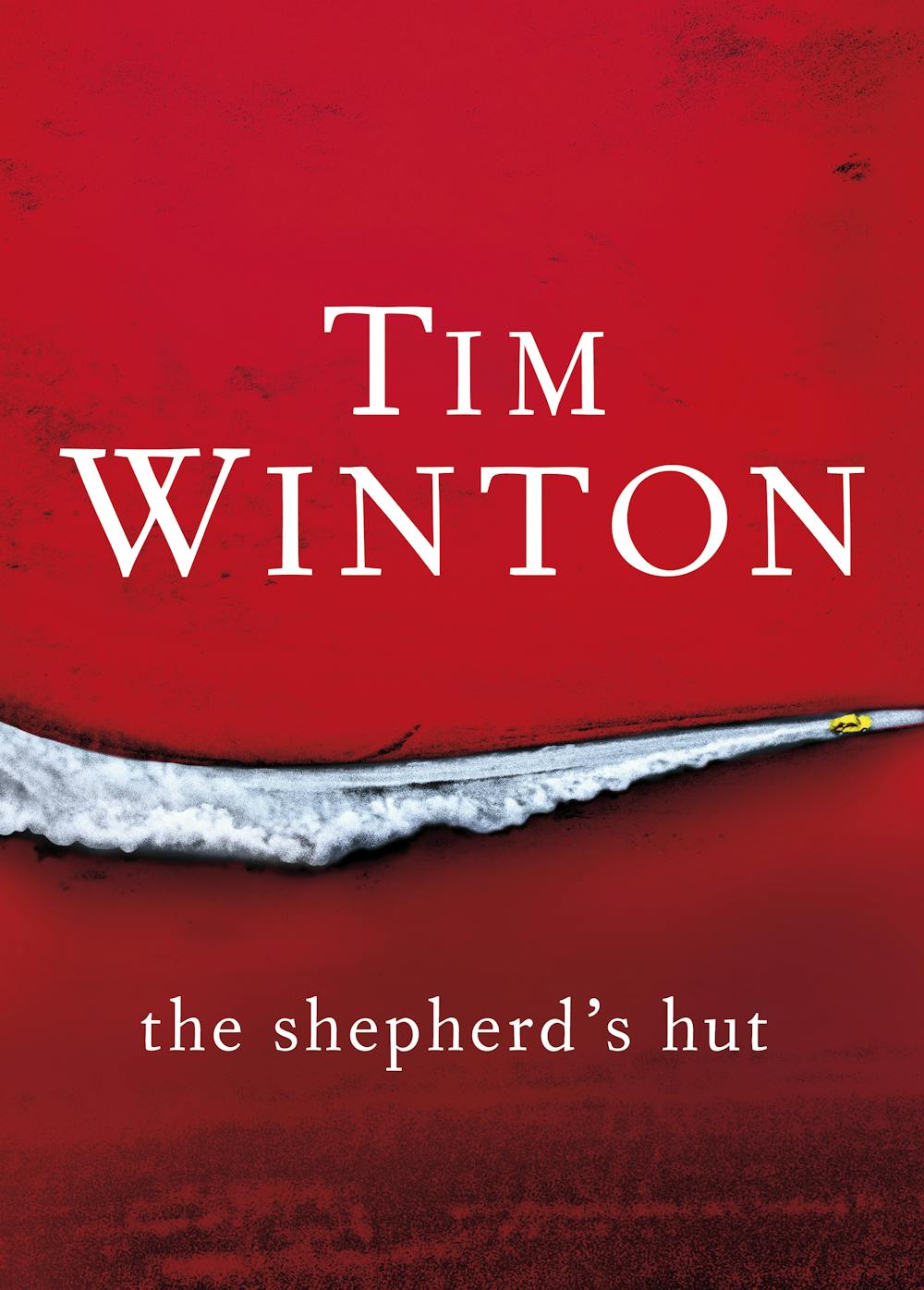
Tim Winton’s new novel, The Shepherd’s Hut, is a bit of a conundrum. True, it exhibits many of the well-known traits of Winton’s earlier works: representations of hurting men, bruised women; working-class identity; high lyricism and deeply vernacular dialogue intertwined; a sense of place as much more than simply landscape, but a living, breathing reality; a brooding on the experience of home, and a lack of belonging.
And like Winton’s earlier works, there is both tight narrative control and a contemplative probing: of sin, death, mercy, love, longing, responsibility and sacrifice. But in this novel these traits are exhibited in extreme forms, raising a number of extra challenges for readers.
Read more: Writing the WA wheatbelt, a place of radical environmental change
For example, what will Australian, let alone international, readers of Winton’s work make of the internal monologue of a small, skateboarding, fist-first young man of 17, introduced to us through his defiant internal monologue?
Say I hit your number, called you up, you’d wonder what the fuck, every one of youse, and your mouth’d go dry. Maybe you’re just some stranger I pocket-dialled. Or one of them shitheads from school I could look for. Any of youse heard my voice now you’d think it was weather. Or a bird screaming. You’d be sweating sand. Like I’m the end of the world.
 Penguin
In Winton’s classical movement between working-class vernacular and poetic prose, we meet a boy in extreme circumstances, a rebellious problem-child who lashes out against the world in direct proportion to the ways he has been maltreated by another man, his father. The whole world of Jaxie Clackton is one of loss and pain and anger, and he merely replicates what he has experienced from his father – “Captain Wankbag”, “that bucket of dog sick”, “the bastard” – becoming in turn this “hardarse the kids run clear of all over the shire”.
Winton has given us many iconic characters – mainly men and boys – who are wounded, lost, vulnerable: Mort Flack from That Eye the Sky, Fish and Quick Lamb in Cloudstreet, Pikelet in Breath, Tom Keely and Kai in Eyrie, Henry Warburton, Fred Scully, Sam Pickle, Luther Fox, Vic Lang and more.
What lies beneath Winton’s returning again and again to feckless, hurt, sometimes violent and abusive, self-loathing male characters? Some critics don’t like Winton’s focus on males at the expense of the female characters. It’s true, the men are central, but the women are there too, variously picking up the pieces, suffering, being strong: Georgie Jutland in Dirt Music, Eva in Breath, Keely’s mum Doris and Gemma Black in Eyrie. But what to make of all these wounded boys and men?
Read more:
Heart-warming, biting, tragic, funny: the Miles Franklin shortlist will move you
The Shepherd’s Hut is Winton writ large, in theological symbolism and in narrative drive. A continuing interest in theology has informed Winton’s work, though few of his characters would call it this. Winton himself might demur (he has said he has never given up his own faith). But what else is it when an ex-priest – or possibly still ordained – living austerely and alone in an abandoned shepherd’s hut, helps nurture in Jaxie Clackton some sense of self-value, responsibility and even awe, in the middle of his self-loathing and feral physicality?
Winton’s theology is no tame thing. It’s made up of abjection, of blood and shit and wounds; and of a deeply awed sense of the created world and of human creatureliness. Just before the closing section of the narrative, the old priest insists on taking Jaxie out to the salt lake to watch the moon rise. Jaxie, as usual, is impatient, jumpy, cynical. But he is also open to – longing for – something larger than himself.
The old man, talking a lot as usual, tutors Jaxie on time and mortality:
… Another month gone, a reminder every cycle that your moment is waning. No wonder it catches in a little fella’s chest when he sees it. Mebbe lunatics are men who’ve remembered they’re just men, not angels.
Jesus, I said. That’s what you come out to see the moon for, to remember you’re gunna die?
No, he said. To remember I am a creature, not a ghost. I am, for all my sins, the thing itself, not just the idea. Ah, look at that moon. Still rising, rising. Like the wafer. Forever out of reach. When I close my eyes it burns in my head. And Jaxie, how I wish that afterglow would light my way. To sleep. To peace.
So, I said after a bit. Who does a priest confess to?
What Jaxie learns from the old priest, Fintan – a renegade Jaxie feels like hitting half the time, but with whom he learns to share meals and chores and theology – is not so much in the words, but in the fact that he is addressing Jaxie, trusting him, needing him. What Jaxie is and what he will do are of utmost importance to the old man. He can tell the boy, truthfully, that he is in awe of him.
The narrative arc of the novel is met, perfectly, by its theological freight. Fintan the derelict priest does not betray Jaxie to those hunting him, but protects and saves him. When the end comes and the old man is cruelly, violently interrogated, it is in terms of Jaxie’s whereabouts. Watching from the woods, in hiding, Jaxie hears:
Where was I?
Who was I?
What was I?
… And for a long time Fintan took it just like that. Giving them nothing. And it was horrible and incredible and it all piled up on me, squashing me in, forcing me down, until something cracked and all in one moment it was like everything landed. All the birds landed. The sunlight landed. The song landed. All the decent things in him landed. On me. On my head. And I knew where I was, and who I was, and what I was. Yes, what I am. And it was just like he said. What I laughed at him for. It was like the sun and moon going through me. I was charged …
What the old man gives to Jaxie is not only his physical life, but the gift of self-recognition and self-esteem. In Winton’s earthed theology, in The Shepherd’s Hut, he presents us with a palpable ritual, the movement of Jaxie’s boyhood into manhood. There is a fathering that takes place, a making of home, a sacramentalizing of Jaxie’s self-worth. The boy begins to recognise himself as a creature in equal relationship with another human being, with responsibility toward that other, and to the created world of birds and sunlight and song and sun and moon. Not just the little thug who needed to hit out.
On his national book tour to promote The Shepherd’s Hut, Winton has spoken of an Australian culture of toxic masculinity, the creating of boys and men with no sense of purpose or meaning, no self-worth, no rituals to honour the movement of boys into manhood. The novel is a symbolic staging of this movement, in extremis.
It is, arguably, a highly challenging read, stripping back middle-class niceties. It contains lots of “cunts” and “fucks”; it wallows in the palpable teenage lust of one lonely boy longing for his distant cousin and lover, Lee, the only one who “gets him”; it describes in close detail the smells and habits and physical realities of a sweaty boy and a whiskery old man.
Whether the novel’s representation of a toughened, bung-eyed, sausage-fingered working-class boy, and of his internal voice, will be considered “authentic” is yet to be tested in the court of readers. But for this reader, Winton writes deeply and convincingly into the psyche and the creaturely realities of one such boy, monstered and wounded, wallowing in hatred, who learns new possibilities, a way of being open to hope.
Lyn McCredden is the author of The Fiction of Tim Winton: Earthed and Sacred.
Penguin
In Winton’s classical movement between working-class vernacular and poetic prose, we meet a boy in extreme circumstances, a rebellious problem-child who lashes out against the world in direct proportion to the ways he has been maltreated by another man, his father. The whole world of Jaxie Clackton is one of loss and pain and anger, and he merely replicates what he has experienced from his father – “Captain Wankbag”, “that bucket of dog sick”, “the bastard” – becoming in turn this “hardarse the kids run clear of all over the shire”.
Winton has given us many iconic characters – mainly men and boys – who are wounded, lost, vulnerable: Mort Flack from That Eye the Sky, Fish and Quick Lamb in Cloudstreet, Pikelet in Breath, Tom Keely and Kai in Eyrie, Henry Warburton, Fred Scully, Sam Pickle, Luther Fox, Vic Lang and more.
What lies beneath Winton’s returning again and again to feckless, hurt, sometimes violent and abusive, self-loathing male characters? Some critics don’t like Winton’s focus on males at the expense of the female characters. It’s true, the men are central, but the women are there too, variously picking up the pieces, suffering, being strong: Georgie Jutland in Dirt Music, Eva in Breath, Keely’s mum Doris and Gemma Black in Eyrie. But what to make of all these wounded boys and men?
Read more:
Heart-warming, biting, tragic, funny: the Miles Franklin shortlist will move you
The Shepherd’s Hut is Winton writ large, in theological symbolism and in narrative drive. A continuing interest in theology has informed Winton’s work, though few of his characters would call it this. Winton himself might demur (he has said he has never given up his own faith). But what else is it when an ex-priest – or possibly still ordained – living austerely and alone in an abandoned shepherd’s hut, helps nurture in Jaxie Clackton some sense of self-value, responsibility and even awe, in the middle of his self-loathing and feral physicality?
Winton’s theology is no tame thing. It’s made up of abjection, of blood and shit and wounds; and of a deeply awed sense of the created world and of human creatureliness. Just before the closing section of the narrative, the old priest insists on taking Jaxie out to the salt lake to watch the moon rise. Jaxie, as usual, is impatient, jumpy, cynical. But he is also open to – longing for – something larger than himself.
The old man, talking a lot as usual, tutors Jaxie on time and mortality:
… Another month gone, a reminder every cycle that your moment is waning. No wonder it catches in a little fella’s chest when he sees it. Mebbe lunatics are men who’ve remembered they’re just men, not angels.
Jesus, I said. That’s what you come out to see the moon for, to remember you’re gunna die?
No, he said. To remember I am a creature, not a ghost. I am, for all my sins, the thing itself, not just the idea. Ah, look at that moon. Still rising, rising. Like the wafer. Forever out of reach. When I close my eyes it burns in my head. And Jaxie, how I wish that afterglow would light my way. To sleep. To peace.
So, I said after a bit. Who does a priest confess to?
What Jaxie learns from the old priest, Fintan – a renegade Jaxie feels like hitting half the time, but with whom he learns to share meals and chores and theology – is not so much in the words, but in the fact that he is addressing Jaxie, trusting him, needing him. What Jaxie is and what he will do are of utmost importance to the old man. He can tell the boy, truthfully, that he is in awe of him.
The narrative arc of the novel is met, perfectly, by its theological freight. Fintan the derelict priest does not betray Jaxie to those hunting him, but protects and saves him. When the end comes and the old man is cruelly, violently interrogated, it is in terms of Jaxie’s whereabouts. Watching from the woods, in hiding, Jaxie hears:
Where was I?
Who was I?
What was I?
… And for a long time Fintan took it just like that. Giving them nothing. And it was horrible and incredible and it all piled up on me, squashing me in, forcing me down, until something cracked and all in one moment it was like everything landed. All the birds landed. The sunlight landed. The song landed. All the decent things in him landed. On me. On my head. And I knew where I was, and who I was, and what I was. Yes, what I am. And it was just like he said. What I laughed at him for. It was like the sun and moon going through me. I was charged …
What the old man gives to Jaxie is not only his physical life, but the gift of self-recognition and self-esteem. In Winton’s earthed theology, in The Shepherd’s Hut, he presents us with a palpable ritual, the movement of Jaxie’s boyhood into manhood. There is a fathering that takes place, a making of home, a sacramentalizing of Jaxie’s self-worth. The boy begins to recognise himself as a creature in equal relationship with another human being, with responsibility toward that other, and to the created world of birds and sunlight and song and sun and moon. Not just the little thug who needed to hit out.
On his national book tour to promote The Shepherd’s Hut, Winton has spoken of an Australian culture of toxic masculinity, the creating of boys and men with no sense of purpose or meaning, no self-worth, no rituals to honour the movement of boys into manhood. The novel is a symbolic staging of this movement, in extremis.
It is, arguably, a highly challenging read, stripping back middle-class niceties. It contains lots of “cunts” and “fucks”; it wallows in the palpable teenage lust of one lonely boy longing for his distant cousin and lover, Lee, the only one who “gets him”; it describes in close detail the smells and habits and physical realities of a sweaty boy and a whiskery old man.
Whether the novel’s representation of a toughened, bung-eyed, sausage-fingered working-class boy, and of his internal voice, will be considered “authentic” is yet to be tested in the court of readers. But for this reader, Winton writes deeply and convincingly into the psyche and the creaturely realities of one such boy, monstered and wounded, wallowing in hatred, who learns new possibilities, a way of being open to hope.
Lyn McCredden is the author of The Fiction of Tim Winton: Earthed and Sacred.
Authors: Lyn McCredden, Personal Chair, Literary Studies, Deakin University
Read more http://theconversation.com/tim-wintons-answer-to-toxic-masculinity-god-94486


 Daily Bulletin


