

Build social and affordable housing to get us off the boom-and-bust roller coaster
- Written by: Laurence Troy, Research Fellow, City Futures Research Centre, UNSW
Not long ago Australia’s housing boom was in full swing. Investors were betting on rising property values, which rose by 13% in Sydney and 15% in Melbourne in the year to mid-2017. Now the withdrawal of overseas buyers and prudential restrictions on loose lending to local investors have revealed how hollow the boom was.
Throughout the boom, politicians and property pundits consistently claimed the supply being delivered would improve affordability. As we are now seeing, when the price a property can fetch drops, so too does the desire to build it. It was rampant price growth that underpinned developers’ pleas to add supply, not a desire to make housing more affordable.
Read more: Affordable housing policy failure still being fuelled by flawed analysis
We are now seeing rapid declines in approvals and building starts as speculative investor demand, and the money it brought to the market, has fallen away.
Ironically, falling prices will not improve affordability for people locked out of the market. Banks are tightening lending practices and stagnant wage growth limits the buying capacity of those trapped in the low-income economy. True, falling prices are welcome for some first home buyers who now find a purchase possible. But the rapid inflation of house prices long ago far outstripped the capacity of most lower-income households to buy a home.
Our analysis for the NSW Community Housing Industry Association (CHIA NSW) and Homelessness NSW, building on recent AHURI research, shows that the market cannot meet around 12% of all households’ needs. Only one-third of those are housed outside the market in public or community housing. The rest are in overcrowded homes, rental stress or even homeless.
Read more: Why falling house prices do less to improve affordability than you might think
In the face of a housing market downturn, those same property pundits are now sternly warning against action that would further dampen speculative investment in housing. However, this is precisely the moment to tackle the problems that have been building over many years and to set the dynamics of the housing system on a more affordable track.
Winding back speculative activity by cutting negative gearing and capital gains tax discounts, cracking down on inappropriate lending practices, and increasing regulation on unacceptable building practices should all be followed through in earnest across all levels of government.
Read more: Vital Signs: why now is the right time to clamp down on negative gearing
Delivering the housing we need
The bigger question that remains then is: what is the future of the housing supply system across Australia?
History has shown us private sector investment alone cannot provide the needed housing, especially for the most vulnerable. Neither can it produce consistent supply through its boom-and-bust cycles. So now is also the moment for a renewed conversation about how to deliver the housing that’s most needed, and who ought to do it, especially for those facing chronic rental stress.
Markets have never delivered housing affordable to those on low incomes without subsidy from governments. In fact, a mountain of subsidies and tax breaks have been thrown at the private market to support such an aim. These range from Commonwealth Rent Assistance to support private rental and grants to first time buyers, to negative gearing and capital gains tax relief for investors and home owners, but have had no discernible effect on affordability.
Faith in the markets has prevailed for the past 30 years. As a result, alternatives have been ruled out of play.
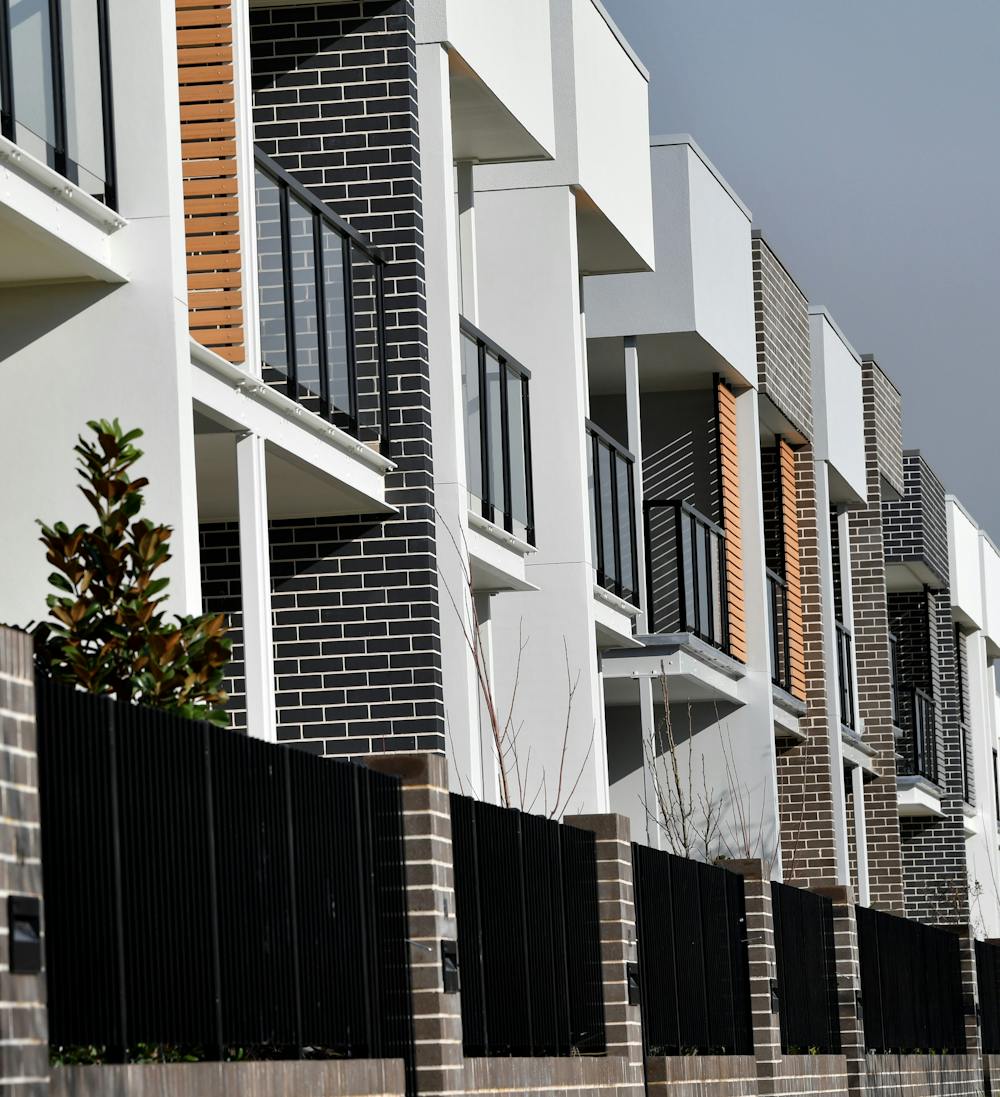 Investing directly in social housing is more cost-effective for government than private sector finance or subsidies.
Joel Carrett/AAP
Investing directly in social housing is more cost-effective for government than private sector finance or subsidies.
Joel Carrett/AAP
To cover the backlog of unmet need and future need, our new research commissioned by CHIA NSW and Homelessness NSW predicts that, over the next 20 years, two in ten new homes would need to be for social housing and a further one in ten for affordable housing. Just shifting this third of construction to not-for-profit housing providers, either the community sector or government, would reduce delivery costs – by losing the 20% developer markup at a stroke.
More broadly, the funds needed to support a sustainable affordable housing program could easily be offset by the savings from scrapping current inefficient and inflationary tax subsidises to private investors.
Read more: Australia needs to triple its social housing by 2036. This is the best way to do it
The challenge of such a task cannot be underestimated. Yet this presents a considerable opportunity to resolve a range of interrelated problems with how housing is provided in Australia. Here are four of the biggest.
1. Stabilise the construction labour market
Social and affordable housing development would underwrite the construction industry with a steady stream of funding for building homes over the long term. Building industries mobilise considerable workforces. Stable streams of work would smooth out the dramatic drop in employment that comes with housing downturns.
Recent reports have noted the accelerated decline in the construction industry. The Reserve Bank is warning that shocks to wages and employment present a threat to the economy.
2. Support planning for a predictable supply
The planning system would benefit from having a large portion of projected housing needs met and supplied more predictably. The uncertainty of boom-bust housing cycles makes it near impossible to plan sensibly for population growth and implement strategic planning objectives across our cities and regions.
Planning for major infrastructure, such as hospitals, schools and transport, relies on new housing arriving in a timely manner. Blanket inclusionary zoning policies and discounted public land sales to support land supply for affordable homes need to be prerequisites.
Read more: England expects 40% of new housing developments will be affordable, why can't Australia?
3. The benefit of investing in affordable housing
If government spending on housing can be invested in the assets themselves (for example, through an equity share in the development), the expenditure will be retained both for an enduring social purpose and as a positive contribution to the accumulated asset base of government.
A properly designed, large-scale, not-for-profit program could mean investing in new housing becomes a positive for state and national balance sheets. This requires a shift in behaviour and mindsets of some Treasury officials who often see social housing as a liability.
4. Drive broad productivity dividends
Other recent research for CHIA NSW shows investment in suitably located social and affordable housing has much wider economic benefits. These include travel time savings for lower-income workers currently pushed into the outer suburbs, as well as human capital uplift resulting from long-term positive impacts on household incomes.
Similarly, government budgets benefit from reducing demand on social services.
In short, the evidence-based economic case for government investment in social and affordable housing is strong. Given the impending fallout of a property bust following the largest property boom in Australian history, now is the time to act and reshape the nation’s housing system for the long term.
But do we have governments capable of conceiving of the necessary policy shifts or with the courage to enact them? Time, and the next election, will tell.
Authors: Laurence Troy, Research Fellow, City Futures Research Centre, UNSW


 Daily Bulletin


