

Want to Skype your GP to avoid exposure to the coronavirus? Here's what you need to know about the new telehealth option
- Written by: Centaine Snoswell, Research Fellow Health Economics, The University of Queensland
From tomorrow, some Australians will be able to consult their doctor or other health professional with a bulk-billed videocall rather than in person, in a move designed to limit the spread of the coronavirus among vulnerable people.
This measure will also help reduce the risk of transmission to health-care providers.
Yesterday’s announcement of these new telehealth measures comes as the World Health Organisation has upgraded the status of the coronavirus COVID-19 epidemic to a pandemic.
Who’s eligible?
People in home isolation or quarantine as a result of the coronavirus, and those at high risk of complications if exposed to it, will be eligible for bulk-billed telehealth consultations with doctors, nurses and mental health professionals.
Eligible vulnerable groups include:
- people aged over 70
- Indigenous people aged over 50
- people with chronic health conditions or whose immune system is compromised
- parents with new babies
- pregnant women.
Existing Medicare-funded telehealth services in Australia normally refer to a consultation by videoconference, and don’t specify a particular software or platform.
However, yesterday’s announcement says these new telehealth services could be conducted by phone, or video, giving FaceTime or Skype as examples.
People in isolation or quarantine for COVID-19 will need to meet certain criteria and can videocall any eligible health provider.
However, those in vulnerable groups with a non-coronavirus matter can only videocall a health-care provider they have seen in person during the previous 12 months.
This may be a problem for people who do not have a regular health-care provider, or whose regular health-care provider is either ill-equipped or unwilling to provide consults via telehealth.
What are people eligible for and for how long?
Eligible people can not only access medical treatment by telehealth, they can also access mental health support.
The government acknowledges that home isolation, quarantine periods and/or the spread of COVID-19 can be stressful and could lead to mental health problems without support.
Other countries have also recognised mental health concerns. The World Health Organisation released advice this week on how to support the mental health of both patients and providers.
These newly announced telehealth measures are temporary, costing A$100 million over an initial period of six months. We don’t know whether the funding or time frame will be sufficient.
Telehealth in emergencies isn’t new
Telehealth has been used in Australia and overseas for decades. And in research to be published soon in the Journal of Telemedicine and Telecare we discuss how there’s good evidence it’s effective, especially in disaster situations.
For instance, telehealth was used after Hurricane Sandy in the USA in 2012, after an earthquake in Japan in 2011, and during the Boston blizzard in 2014.
In our forthcoming research paper we also discuss issues associated with implementing telehealth.
Telehealth can be very useful for a broad range of clinical services, but it can’t replace all in-person consultations. Some assessments, and all procedures, will still need to conducted in person.
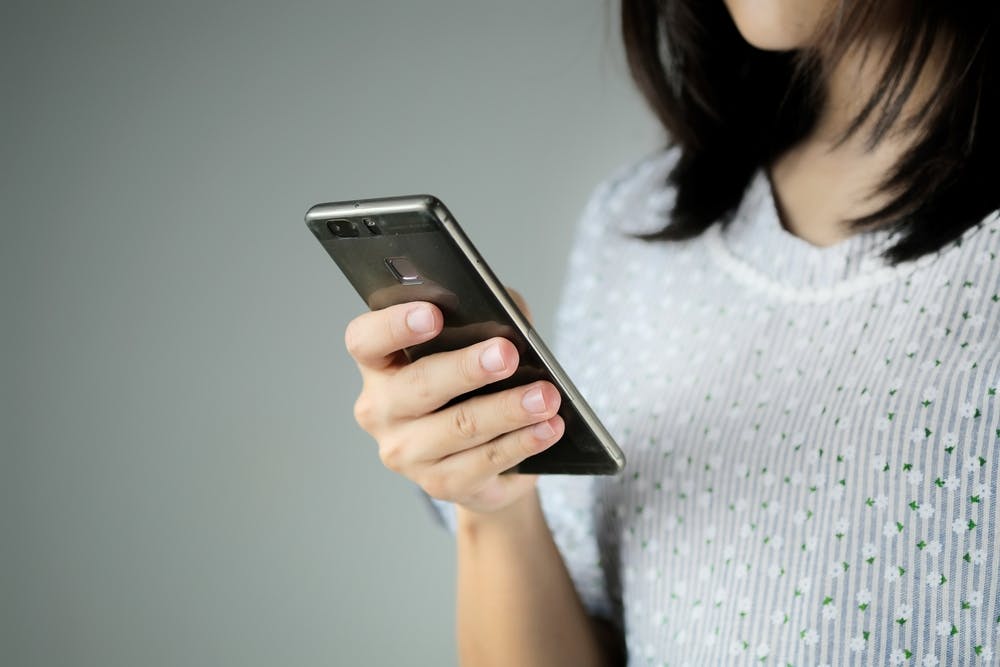 Some Australians will be able to consult their doctor by taking a Skype call on their smartphone. But not everyone has reliable internet access.
Shutterstock
Some Australians will be able to consult their doctor by taking a Skype call on their smartphone. But not everyone has reliable internet access.
Shutterstock
Patients also need access to a device capable of videoconferencing (for example, a phone, computer, or tablet), as well as a reliable internet connection.
About 85% of the population has internet access at home. So there are people who may not be able to use telehealth services from home.
Read more: Virtual reality may be the next frontier in remote mental health care
Effective uptake of telehealth also relies on clinicians changing the way they interact and communicate with patients, a process that can be challenging for some.
So we need to provide adequate training and education to emerging and current health-care workers. We also need to ensure the general public is aware of telehealth and understand how to access it.
What might happen in the future?
The uptake of telehealth in Australia has been somewhat slow and fragmented so far.
However, the use of telehealth during the coronavirus pandemic might change this. People may become more aware of telehealth and accept it.
If it was used routinely in every health service, it would improve access to health care particularly in rural and remote areas, reducing the need for extensive travel.
Routine use would also mean our response to future pandemics and disasters would be much more timely and effective.
Researchers from our team at the University of Queensland’s Centre for Online Health, Centre for Health Services Research and the NHMRC Partnership Centre for Health System Sustainability contributed to research mentioned in this article.
Authors: Centaine Snoswell, Research Fellow Health Economics, The University of Queensland


 Daily Bulletin


