

New Zealand's pandemic budget is all about saving and creating jobs. Now the hard work begins
- Written by: Jonathan Boston, Professor of Public Policy , Te Herenga Waka — Victoria University of Wellington
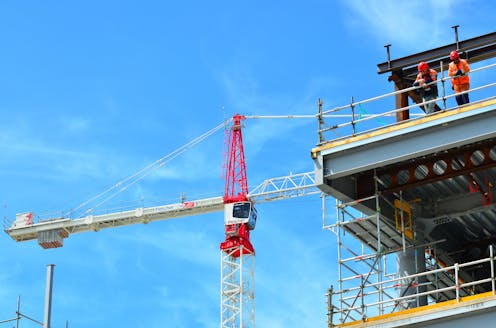
Budget 2020’s focus on “jobs, jobs and jobs” is understandable, commendable and vital.
COVID-19 poses the largest threat to paid employment since the Great Depression almost 90 years ago. The number of people receiving Job Seeker Support (Work Ready) – the main benefit available for the unemployed – rose almost 50% between February and early May, from about 80,000 to 120,000.
That is a crisis in anyone’s language. Paid employment is not only important economically, it is about social and psychological health. This is reflected in a long-standing cross-party commitment to high employment levels and a high labour market participation rate. Significant and protracted unemployment serves no good purpose.
To combat this, the budget aims to protect existing jobs where possible, generate new jobs through targeted public investments, and ultimately create the conditions for a return to sustainable job growth.
But worse is still to come. Treasury is forecasting an unemployment rate of close to 10% before year’s end. Given the unprecedented impact of the pandemic, however, all such forecasts are highly conditional.
Read more: Will New Zealand's $50 billion budget boost Jacinda Ardern's chance of being re-elected?
So can the 2020 budget help avoid mass unemployment? Are the measures announced sufficient to address the scale and distinctive aspects of the current crisis? A little context helps in answering such questions.
New Zealand started from a good position
By OECD standards, New Zealand entered the pandemic with a relatively low unemployment rate. In March 2020 the official unemployment rate was about 4.2%, slightly up on 4.0% in December 2019. This compared with pre-pandemic unemployment rates of around 4.0% in the UK, 5.2% in Australia and 7.4% in the Euro zone.
Fortunately, too, the government’s comprehensive wage subsidy scheme has so far limited the spike in unemployment. By contrast, the US unemployment rate rose dramatically from 4.4% in March to almost 15% in April, with more than 20 million jobs lost in recent weeks.
Goldman Sachs estimates the US unemployment rate may peak at 25%, comparable to the depths of the Great Depression. The real jobless rate, which includes those who want to work but have given up trying, is forecast to reach 35%.
Of course, the depth and duration of the economic downturn remains highly uncertain. Hence, policy responses must remain flexible and adaptive. Wisely, this budget recognises that. Finance minister Grant Robertson has reserved significant fiscal resources should they be required.
The impacts of this pandemic differ from any previous financial or seismic shock, so it poses distinctive and unusual policy challenges. Specific industries and sectors have been disproportionately affected (tourism, aviation, hospitality, retail, international education, and the arts), as have particular communities (such as those heavily dependent on international tourism).
Targeted and tailored policy interventions are essential, along with more broad-brush responses.
Again, the budget reflects this. Key policy measures include the targeted extension of the wage subsidy scheme for a further eight weeks for businesses experiencing more than a 50% reduction in turnover, a $400 million package for the tourist sector, a substantial boost to the infrastructure investment fund, and some additional support for research and development.
Read more: The pandemic budget: moving New Zealand from critical care to long-term recovery
Young people need the most support
Unfortunately, as with previous recessions, COVID-19 will have a disproportionate impact on younger people. Since March, the increase in unemployment has been particularly marked among those aged 20-29. Tertiary students are among the hardest hit by the loss of job opportunities.
Significant and continuing efforts will be needed to minimise these inter-generational effects, and the budget goes some way to addressing these.
It includes a substantial trades and apprenticeship package (worth $1.6 billion), along with additional subsidised places for tertiary students, a modest increase in per student subsidy rates, extra support for employment services, specific initiatives for Māori and Pasifika students, and a new hardship fund for students.
But more assistance for the university sector will likely be needed over the next few years – not least because of the substantial loss of income from international students. Specific measures could include a strategic tertiary investment fund, an increase in the value of targeted student allowances, and a rise in student loan borrowing limits.
The recovery must be environmentally sustainable too
Finally, it is vital that the rush to protect and create jobs must not jeopardise future employment opportunities by contributing to poorer environmental outcomes. “Shovel-ready” projects must not be carbon-heavy.
New Zealand needs a genuinely sustainable economic recovery, one that enhances societal resilience, protects ecological values, and reduces greenhouse gas emissions.
To that end, the $NZ1 billion environmental jobs package is welcome. It will enhance pest control and ecological restoration, while also improving facilities in the national parks and reserves.
But investments of this kind will be undermined if the planned reforms to the Resource Management Act result in greater urban sprawl, the loss of valuable agricultural land, and higher transport emissions.
Ultimately, sustainable employment requires a sustainable environment.
Stay in touch with The Conversation’s coverage from New Zealand experts by signing up for our weekly NZ newsletter – delivered to you each Wednesday.
Authors: Jonathan Boston, Professor of Public Policy , Te Herenga Waka — Victoria University of Wellington


 Daily Bulletin


