

There’s an outbreak of melioidosis in north Queensland. Here’s what to know about this deadly ‘mud bug’
- Written by: Thomas Jeffries, Senior Lecturer in Microbiology, Western Sydney University
Seven people have now died from melioidosis in flood-ravaged north Queensland this year.
Dozens of cases have been reported in the state in recent weeks, which experts have described as unprecedented.
So what is melioidosis, and why are we seeing a spike in cases now?
How do people get infected?
Melioidosis is caused by the bacterium Burkholderia pseudomallei, a bug which normally lives harmlessly in soil and freshwater. But it can be dangerous when it infects humans or animals.
B. pseudomallei – sometimes called the “mud bug” – enters the body through cuts or scratches. It can also be breathed in and enter the lungs via small airborne water droplets, or by drinking affected water.
Symptoms usually develop within one to four weeks after a person has been infected. The disease can cause either local infections, such as chronic skin ulcers, or, more commonly, a lung infection which can lead to pneumonia.
Symptoms of the infection include fever, headache, trouble breathing, chest and muscle pain, confusion and seizures. In rare cases the disease can enter the bloodstream and cause septicaemia.
Treatment involves receiving intravenous antibiotics in hospital for several weeks followed by up to six months of oral antibiotics.
How common is it?
Diagnosis is usually conducted using a specialist bacterial culture. This is where a sample isolated from the patient is grown in a petri dish to identify the bacteria, which can take several days.
Globally, around 165,000 cases of melioidosis are reported annually, and 89,000 deaths. The majority of cases occur in southeast Asia, particularly Thailand.
Because similar symptoms can be caused by so many other diseases, melioidosis is commonly misidentified, meaning reported case numbers are probably far lower than the actual number of infections.
Also, cases often occur in remote communities and resource-poor settings, which can mean they’re less likely to be diagnosed.
The disease is thought to be endemic to northern Australia. It usually infects about 0.6 per 100,000 people annually in Queensland, which would be equivalent to around 30 people.
In the Northern Territory, around 17 people per 100,000 are infected annually, which would be equivalent to about 42 cases. However, this data is several years old.
In Australia, melioidosis is often treated before fatalities occur. The mortality rate has been estimated at less than 10%.
More people die from the disease in lower-resource countries with poorer diagnostic capabilities and hospital facilities. In Thailand the mortality rate is estimated to be around 40%.
Who is at risk?
Anyone can get melioidosis, but certain people are at higher risk. This includes people with diabetes, liver and kidney disease, cancer, or other conditions which might compromise the patient’s immune system.
In Australia, the disease is also significantly more common in First Nations people than among non-Indigenous Australians.
Once infected, people who are Indigenous, older or have chronic health conditions are at higher risk of poorer outcomes.
In the current outbreak in Queensland, at least three of the victims so far have been elderly.
What’s causing the current outbreak?
Recent cases in north Queensland have been identified mainly around Townsville and Cairns.
Cairns and Hinterland Hospital and Health Service has recorded at least 41 cases since January 1, while more than 20 cases have been reported in Townsville in February.
This is most likely related to increased rainfall and flooding in and around these areas.
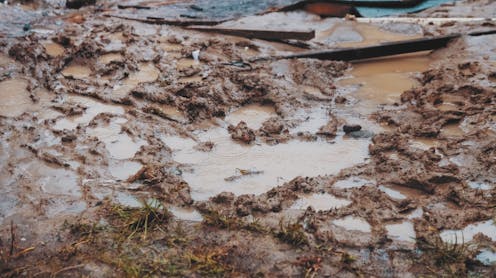
B. pseudomallei lives in soil and mud, and comes to the surface during periods of high rainfall. So recent heavy rain and flooding in north Queensland has likely increased the risk of melioidosis.
In the Northern Territory, 28 cases have been reported since the start of the rainy season last October. However this is lower than recent seasons.
How can you protect yourself?
If you’re in an affected region, you can protect yourself by limiting exposure to mud and water, and using appropriate personal protective equipment such as gloves and boots if spending time in muddy areas. Cover any open wounds and wear a respirator if you’re working closely with water.
Monitor for symptoms and see a doctor if you feel unwell.
Several vaccines are in development for melioidosis, and experts have recently called for it to be recognised as a neglected tropical disease by the World Health Organization.
Particularly seeing as increasing extreme weather events due to climate change may make melioidosis more common, hopefully we’ll see an increase in research into and awareness of this disease in the years ahead.
Authors: Thomas Jeffries, Senior Lecturer in Microbiology, Western Sydney University


 Daily Bulletin


