

How to Choose the Right Wedding Band
- Written by: Daily Bulletin
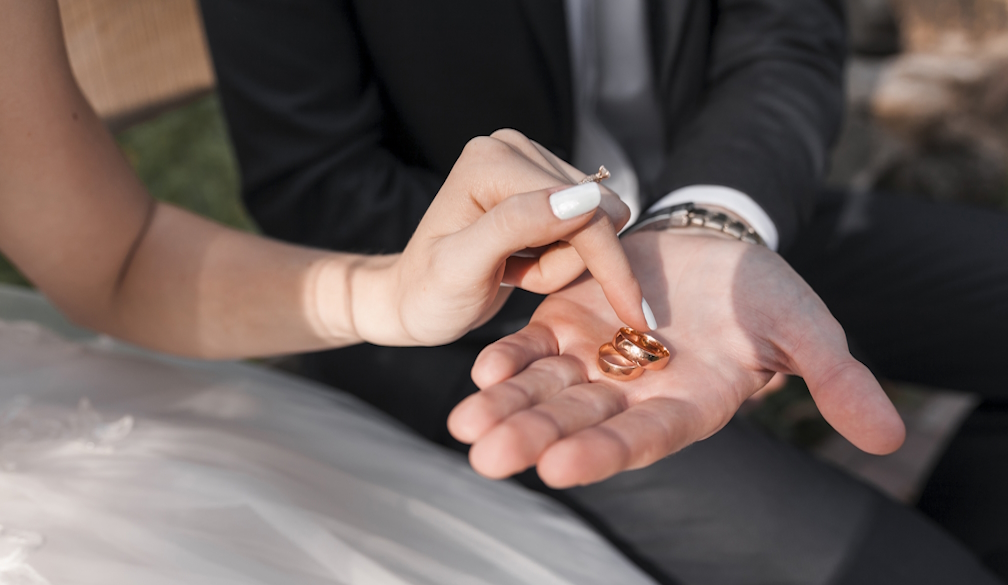
Picking out a piece of forever jewellery can be as daunting as it is exciting. There’s pressure to find a design you’ll love for a lifetime, and with the overwhelming amount of choice, it can be hard to know even where to start. You have to balance so many elements as well, from your personal style to your lifestyle to your budget to how it fits with your engagement ring and other accessories. Following these steps will make the process streamlined and stress-free, so you can focus on what’s really important – celebrating your special bond.
1. Identifying your style
Your wedding band should feel like an extension of your look rather than something you wear simply because tradition expects it. Think about your personal style and make sure it matches. Perhaps you favour the clean lines of minimalism, timeless classic looks or vintage-style outfits with lots of detail. The aspects of these different styles can be easily translated into jewellery, in the colour, shaping and finishing.
Looking through your existing jewellery collection can reveal patterns you may not have noticed before. For example, if you wear simple stud earrings, you may feel more comfortable with a classic polished band than an ornate design. On the other hand, if you enjoy statement jewellery, a ring with coloured gemstones or a distinctive profile could feel more authentic.
2. Choosing the metal
The metal you choose doesn’t just affect how your ring looks. It also determines how it feels and wears over time. Different precious metals are different weights, feeling heavier or lighter on the finger, and offer different levels of durability and scratch resistance. You should also consider which are hypoallergenic if your skin is easily irritated.
Gold remains one of the most popular options because it is traditional and versatile and encapsulates romance with its rarity. You can choose between timeless yellow and white gold wedding bands to match your aesthetic or go hyper modern with a rose gold ring, flattering on most people. 9k, 14k and 18k gold wedding rings are available, the lower carat offering resistance to damage and the higher carat delivering the richest colour and greater luxury. Platinum is a popular contemporary alternative, loved for its bright-white lustre and exceptional durability.
3. Matching your engagement ring
If you wear an engagement ring, your wedding band should work alongside it rather than compete with it. A well-matched combination creates a cohesive appearance and feels more comfortable when worn together every day.
Pay attention to the shape and profile of your engagement ring. A straight band pairs easily with many solitaire settings and trending bezel-set engagement rings, while a contoured or shaped wedding band may be required for a flush fit with low-profile settings or larger stones. When bands don’t sit seamlessly, rings are more likely to spin on the finger and knock against one another, risking damage. Matching the metal is also important, in terms of the look and also to equate the hardness of the bands.
4. Considering your lifestyle
The best wedding band isn't always the most elaborate one. Your daily routine plays a major role in determining which ring will suit you over the long term.
If you work with your hands, workout regularly or enjoy outdoor activities, durability matters most, and intricate detailing might mean frequent trips to the jeweller to organise repairs. A stunning diamond band might catch your eye initially, but a plain polished or textured band might be more sensible. Opting for practicality doesn’t mean you can’t have gemstones – just look for a lower-profile ring with a smoother surface that will catch less on clothing and equipment.
5. Setting a budget
A wedding band is a meaningful purchase, and the meaning comes from how well it aligns with you and your relationship, not what it’s worth financially. Remember, a higher price tag doesn't automatically mean a better choice. Setting a realistic budget early allows you to filter your options from the start, so you can browse rings that meet your needs in your price range without risking unnecessary financial pressure.
Once you know how much you have to spend, identify the features that matter most to you and let these lead how you determine a ring’s value. You might prioritise a premium metal, a wider band or diamond detailing. Lab-grown diamonds – identical to the naked eye when compared with natural stones – are a great way to get the visual look you want at a lower price. Understanding your preferences makes it easier to allocate your budget effectively and find a piece you truly love.


 Daily Bulletin


