

From reproducers to 'flutters' to 'sluts': tracing attitudes to women's pleasure in Australia
- Written by: Lisa Featherstone, Senior Lecturer in Australian History and the History of Sexuality, The University of Queensland
In our sexual histories series, authors explore changing sexual mores from antiquity to today.
In our contemporary world, the idea that sex is pleasurable is rarely questioned: pleasure is a key way of understanding what sex is and what it means. Yet this was not always so. Historically, pleasure was not the only, or even the main, expectation from sex for women, and there were significant changes across the 20th century.
When Australia federated in 1901, women were imagined largely as reproducers, rather than lovers. As the prominent Melbourne gynaecologist Walter Balls-Headley had professed a few years earlier, “the raison d’etre of women’s form” was “the propagation of the race, the production of the ensuing generation”.
Sexual reproduction and pleasure were split. When sex was discussed in the public world, it was rendered meaningful through concepts of family, reproduction and population. Sex was procreation with an emphasis on order, morality and virtue.
That individual women could feel pleasure should have been self-evident. But the procreative model remained powerful, even dominant, because it was tied neatly to the way gendered bodies were culturally, politically and scientifically constructed. White women were encouraged to breed for the good of the new white nation.
Pleasure – if it occurred at all – was to stem from either the reproductive or maternal aspect of a woman’s sexuality, or at the most from her feelings for an individual man. So too, female same-sex desire remained hidden, and lesbians were unnamed.
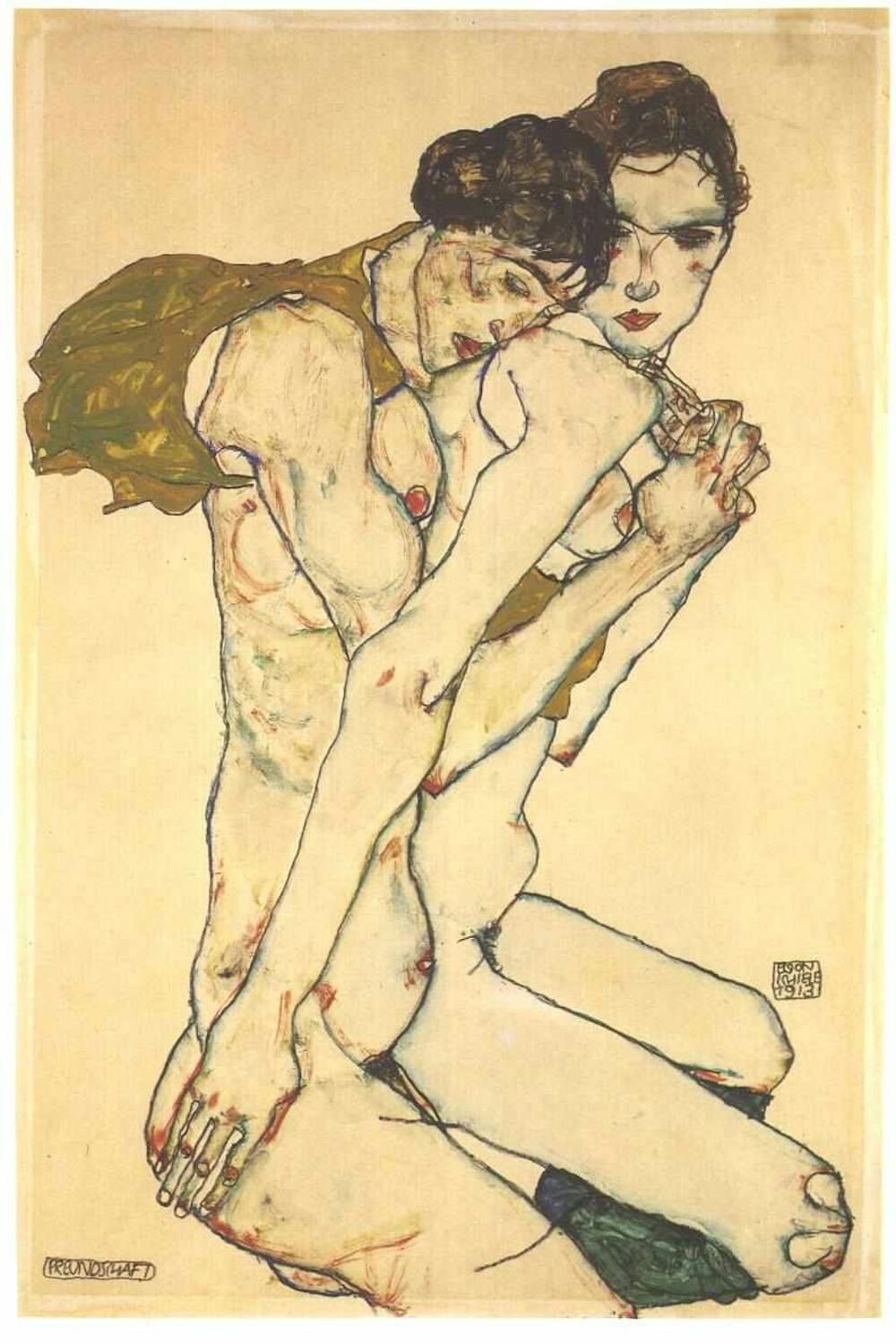 Egon Schiele’s 1913 painting Friendship.
Wikimeda Commons
Egon Schiele’s 1913 painting Friendship.
Wikimeda Commons
Women who felt too much pleasure were suspect, perhaps unnatural. This was a particular risk in the hot climates of Australia: women were believed to reach puberty earlier and more violently, rendering them more open to pathology, even nymphomania.
There were practical reasons, too, why a woman may not have felt pleasure, or attempted to curb her desire. Heterosexual women were constrained by the ever-present fear of pregnancy, a powerful inhibitor against women’s erotic thought.
Ex-nuptial pregnancies and hurried marriage show that many young women did have sex before marriage, yet the palpable shame, fear and scandal of an unplanned pregnancy almost certainly impacted on their enjoyment of sex. For married women, too, the fear of yet another pregnancy – yet another child – meant many avoided sex as much as possible, whatever their desire.
None of this means, of course, that individual women did not enjoy sex, or seek it out for recreation or release, or find comfort in love and sex with men or women.
Hints of sexual feeling
The historical record has left us only the vaguest hints of early 20th century women’s sexual feeling. The poet Zora Cross, for instance, gave voice to a passionate, libidinal woman: here, we find an erotic subject. At the most, she even hinted to orgasm:
I was a little breathing thing,Half-clay, half-cloud,Fluttering a feeble wing.
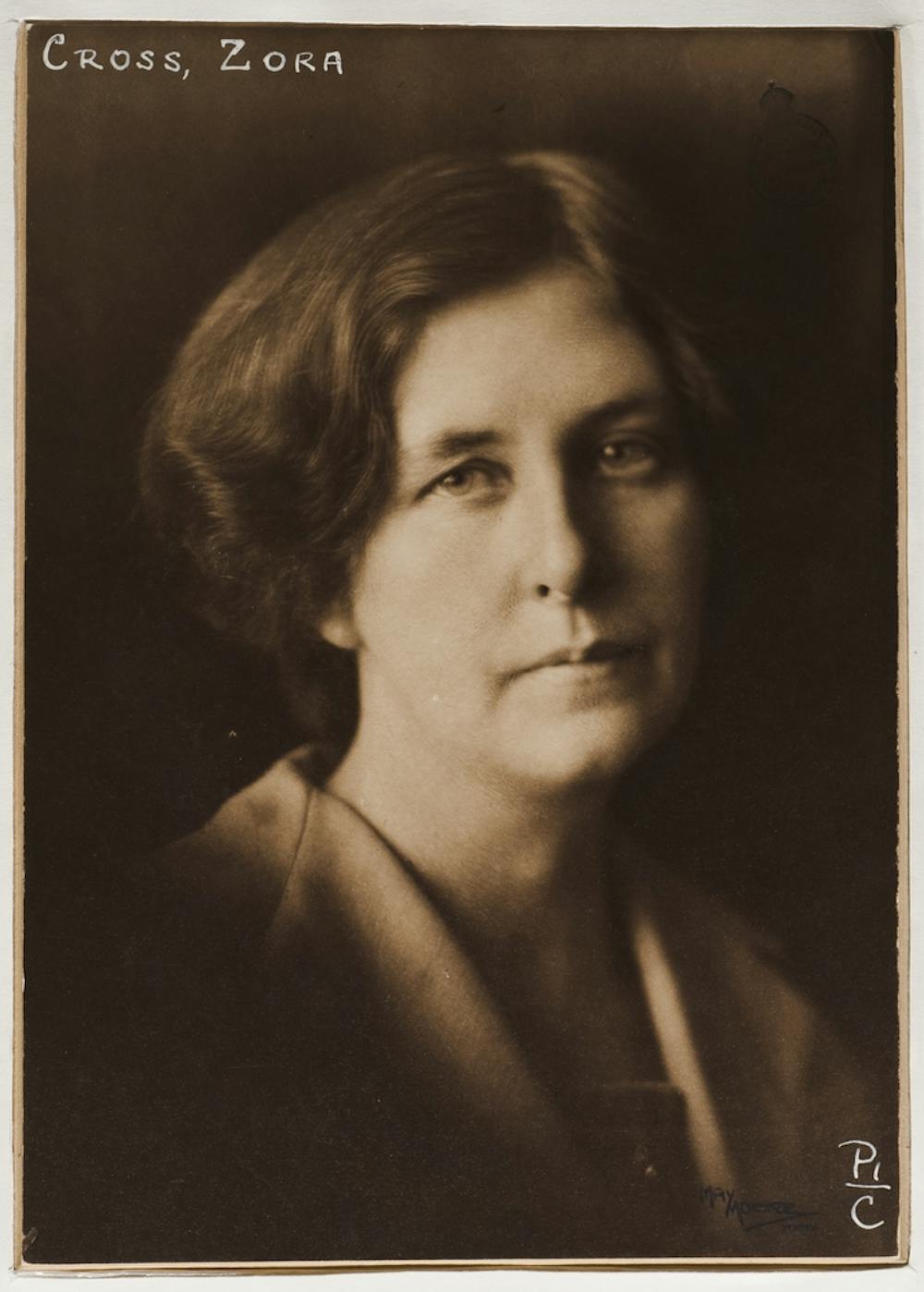 Zora Cross.
Wikimedia Commons
Zora Cross.
Wikimedia Commons
Hers was an active sexuality, a woman who sought and found pleasure. But this record was unusual, and most women left no trace of their sexual feelings, fears, desires, or thoughts on sex or reproduction.
By the 1920s, ideas from the British birth controller Marie Stopes were well established in Australia, including her promotion of the “companionate marriage”. Increasingly, convention allowed for female pleasure and desire, but only within the bounds of legitimate heterosexual marriage.
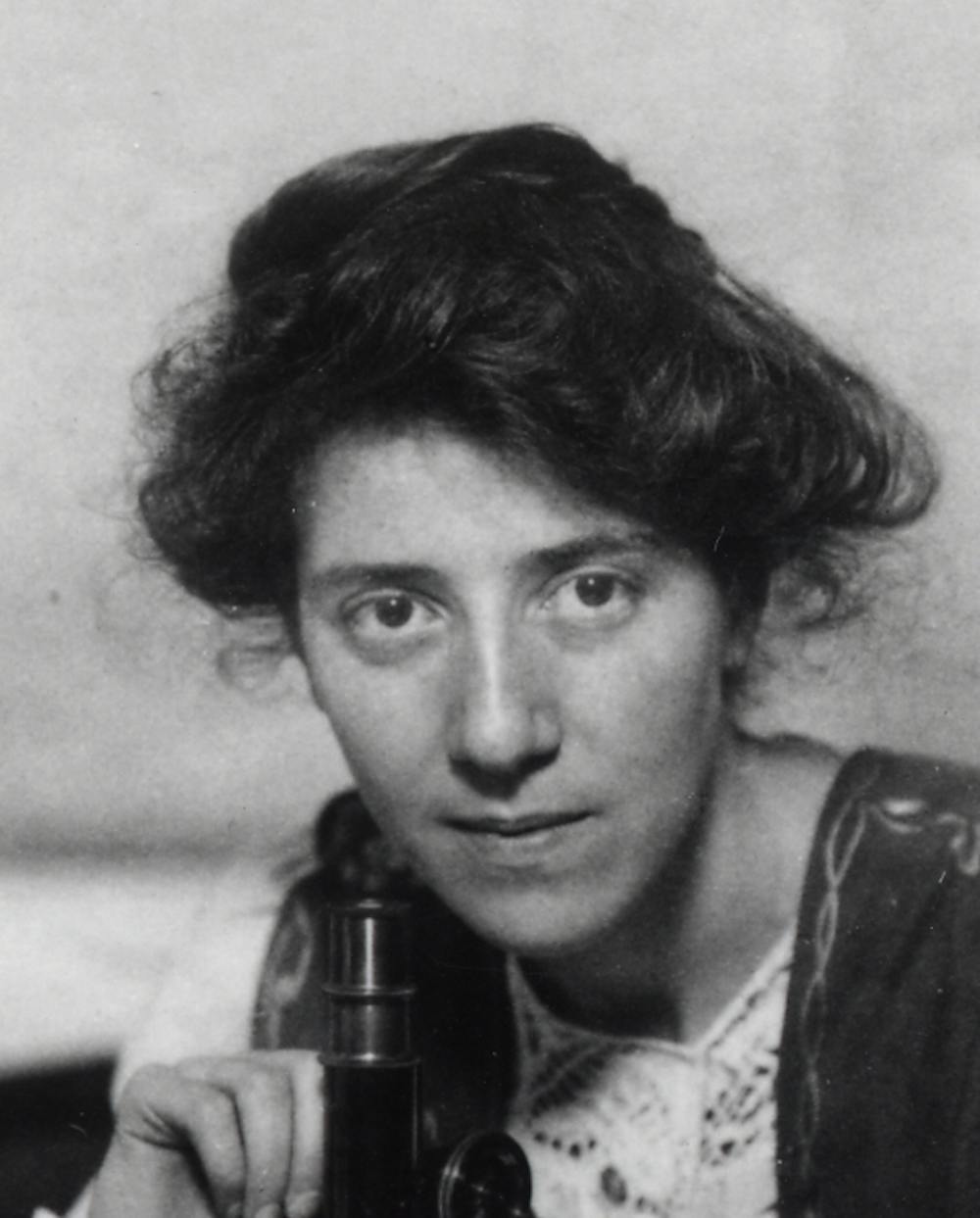 Marie Stopes.
Wikimedia Commons
Marie Stopes.
Wikimedia Commons
Before marriage, girls were expected to have no natural, physical sexual feelings (boys, in contrast, were expected to feel desire). But after marriage, as Stopes established, it was expected that a women would not only endure her conjugal duties, but enjoy them. To do so was seen as central to a happy married life.
The second world war momentarily disrupted conventional ideas of marriage and family in Australia. For a brief time, young girls and women sought pleasure before marriage, often with the American soldiers who visited Australian shores. There was dancing and romancing, and sometimes sexual encounters. Pleasure took on new forms, and while young women did not always have sex, they flirted, socialised and drank with men in ways unknown to previous generations.
Such fun was, however, short-lived. By the 1950s – perhaps as a response to the freedom of the war years – pleasure was once again relegated to marriage. The 1950s was a notoriously conservative decade in Australia. Gendered attitudes to women and sexuality remained strong. Before marriage, society demanded girls remained pure and virginal. Married women, on the other hand, were expected to enjoy marital sex after their wedding night.
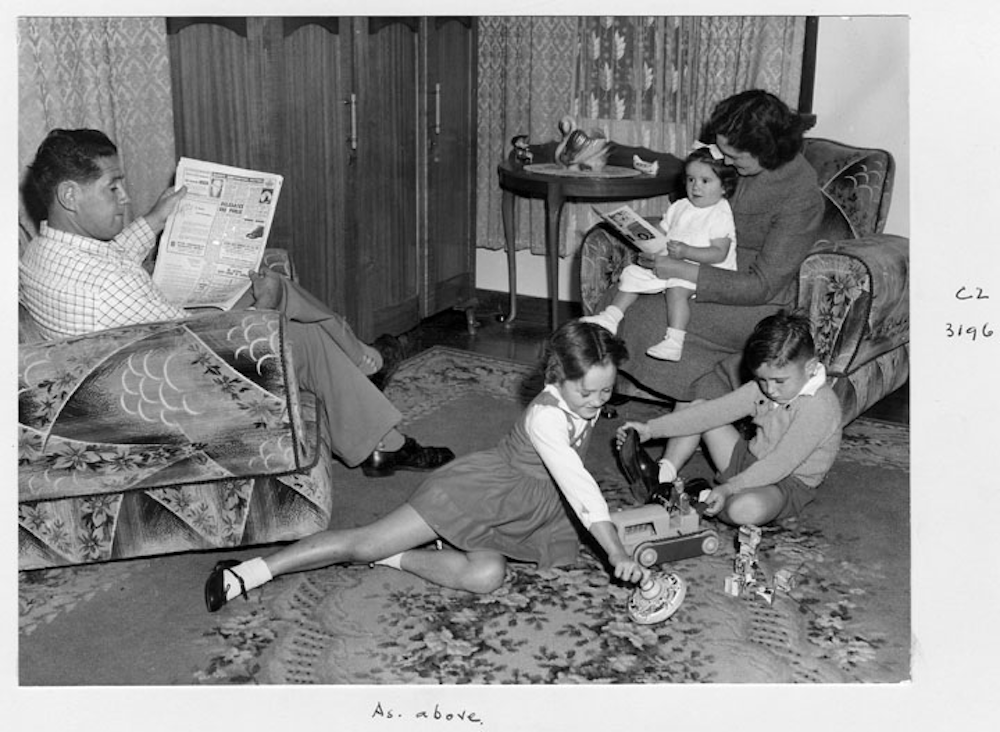 Family group Everton Park.
Queensland State Archives
Family group Everton Park.
Queensland State Archives
Any wife who did not experience pleasure - and the elusive mutual orgasm from penetrative sex - was seen as a problem: a frigid woman whose lack of sexual response threatened her marriage and the wider social order.
The pill and popular culture
Attitudes towards heterosexual pleasure shifted considerably after the introduction of the contraceptive pill, which reached Australia in 1961. The pill took some time to be widely available, and especially to trickle down to the young and the unmarried. Nonetheless, it went some way to reshaping the sexual landscape, in a time of broader social and sexual revolutions. Women’s liberation, gay and lesbian liberation, and the increasing libertarianism opened up many possibilities for pleasure for young women.
 Model of a contraceptive pill, 1970.
Wikimedia Commons
Model of a contraceptive pill, 1970.
Wikimedia Commons
The ready availability of the pill meant women were increasingly expected to be sexually available to men. Yet at the same time, the pill opened up opportunities for sexual pleasure. Without the fear of pregnancy, and with social taboos about sex and marriage changing, many women were relatively free to experiment sexually and follow their desires in a range of relationships beyond the bonds of matrimony. Pleasure, perhaps more than ever, was intimately tied to sexual experience.
As this brief romp across the 20th century has shown, ideas of female pleasure are complicated, and often relate more to social and cultural conditions than to experiences of the body itself. We might think of women’s pleasure as static, but it was and is shaped by society and culture.
Today, almost 50 years after the sexual revolutions of the 1970s, young women’s sexual behaviour (and sexual pleasure) is still scrutinised, moderated and open for discussion - in the school ground and on social media.
Young women are subject to multiple and conflicting views on female pleasure: on one hand, popular cultures urges young women to be sexually attractive, willing, and open to experimentation. But on the other hand, they can still readily be constructed as “sluts” and, at worst, vulnerable to rape cultures.
Female pleasure remains at the forefront of the public imagination of teenage girls, but at the same time, young women’s own feelings and desires are all too often stifled. Concepts of women’s sexuality remain mediated by a broader culture that continues to be uncomfortable or troubled by female desire and sexual pleasure.
Authors: Lisa Featherstone, Senior Lecturer in Australian History and the History of Sexuality, The University of Queensland


 Daily Bulletin


