

Modern House Elevation Design Trends Shaping Contemporary Architecture
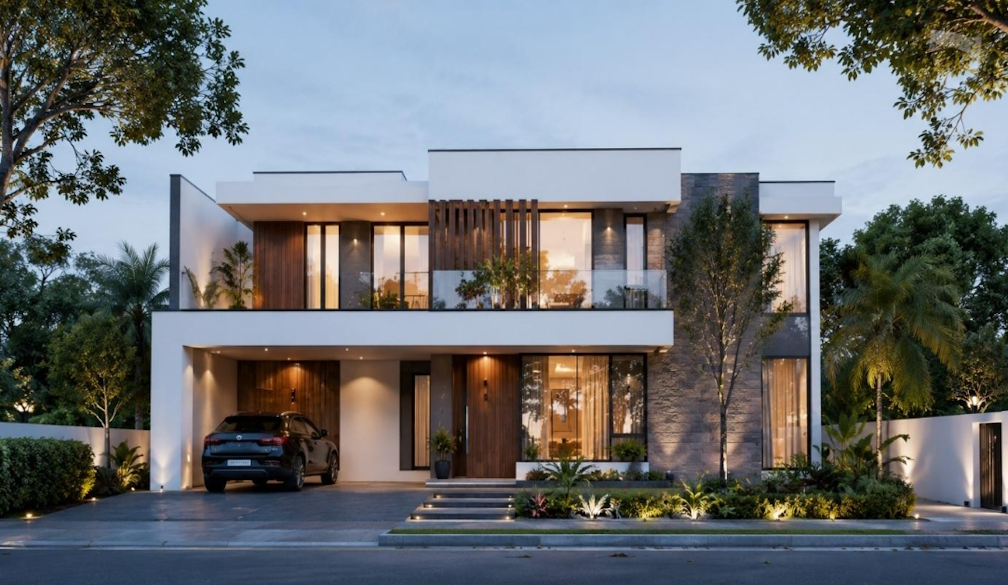
The exterior of a home has become far more than a simple façade. Today, elevation design reflects lifestyle, sustainability goals, architectural identity, and even long-term property value. As homeowners increasingly seek sophisticated and timeless exteriors, architects are embracing minimalist forms, layered materials, and climate-conscious solutions to create homes that balance aesthetics with functionality.
Platforms such as Modern house elevation design have played a major role in showcasing how contemporary architects reinterpret residential facades through innovative geometry, sustainable materials, and natural light integration. From tropical modernism to minimalist urban villas, modern elevation design now focuses on creating homes that feel visually refined while responding intelligently to their environment.
Why Elevation Design Matters More Than Ever
A house elevation is essentially the visible face of a home. It determines first impressions, enhances curb appeal, and influences how a property interacts with sunlight, ventilation, and landscape. Modern architecture no longer treats the facade as a decorative afterthought. Instead, elevation design is now integrated into the overall performance and livability of the house.
Architectural specialists increasingly emphasize the importance of balancing appearance with practical concerns such as water management, energy efficiency, and natural cooling strategies.
Contemporary homeowners are also becoming more selective about visual coherence. Rather than overly decorative facades, current preferences lean toward restrained elegance, geometric simplicity, and carefully selected materials that age gracefully over time.
Minimalism Continues to Dominate Modern Homes
Minimalist architecture remains one of the strongest influences in modern residential design. Clean horizontal lines, flat roofs, simple volumes, and uncluttered surfaces create a timeless appearance that avoids excessive ornamentation.
Architects favor minimalist elevations because they offer several advantages:
- Easier long-term maintenance
- Better visual harmony
- Greater emphasis on natural light
- Stronger architectural identity
Recent architectural trend analyses show that homeowners increasingly prefer neutral palettes combined with subtle textures such as exposed stone, wood cladding, or matte concrete finishes.
The success of minimalist elevation design lies in proportion and precision. A carefully aligned window grid, deep shadow lines, and balanced materials can transform a simple structure into a visually striking home without unnecessary complexity.
The Rise of Layered Facades
Modern house elevations are becoming more dynamic through the use of layered architectural compositions. Instead of flat, uniform surfaces, designers now create depth by combining protruding balconies, recessed entrances, floating roof slabs, and staggered volumes.
This layered approach serves both aesthetic and practical purposes. Visually, it creates dimension and movement across the facade. Functionally, projections and recesses improve shading, protect openings from weather exposure, and enhance energy efficiency.
According to current elevation design trends, multi-layered facades are particularly popular in urban homes where architectural depth helps smaller properties appear more luxurious and spacious.
Glass is often integrated strategically within these layered forms to soften heavy structures and maximize daylight penetration.
Natural Materials Create Timeless Appeal
One of the biggest shifts in contemporary architecture is the growing preference for authentic, natural materials. Homeowners increasingly reject synthetic appearances in favor of materials that provide warmth, texture, and longevity.
Popular modern elevation materials include:
- Stone cladding
- Timber panels
- Exposed concrete
- Brick textures
- Black aluminum framing
These materials help homes feel connected to their surroundings while offering a more enduring aesthetic than trend-driven decorative elements.
Natural finishes also contribute to sustainability goals. Reclaimed wood, locally sourced stone, and energy-efficient facade systems reduce environmental impact while improving thermal performance.
Architects are particularly interested in combining contrasting textures. Smooth concrete paired with warm timber accents, for example, creates visual balance between modern minimalism and natural comfort.
Large Windows and Smart Glazing Solutions
Natural light remains one of the defining elements of modern residential architecture. Large windows, corner glazing, and floor-to-ceiling openings continue to shape contemporary house elevations by creating stronger relationships between interior and exterior spaces.
However, recent architectural discussions suggest a more thoughtful approach to glazing. Rather than covering entire facades with glass, designers are now prioritizing strategic placement based on climate, privacy, and solar orientation.
This evolution reflects a broader movement toward intelligent architecture. Modern elevation design now considers:
Climate Responsiveness
Homes in warm regions increasingly use shading systems, pergolas, vertical fins, and recessed glazing to reduce heat gain while maintaining natural illumination.
Privacy and Comfort
Architects balance openness with intimacy by combining expansive windows with smaller framed openings that create controlled views and improved insulation.
Energy Performance
Advanced glazing technologies help reduce energy consumption through better thermal control and UV protection.
These solutions allow homes to maintain sleek modern appearances without sacrificing comfort or sustainability.
Tropical Modernism and Climate-Conscious Design
Climate-responsive architecture is becoming central to elevation design worldwide. Tropical modernism, in particular, has gained significant attention for its ability to combine beauty with environmental performance.
This design philosophy integrates passive cooling strategies such as shaded facades, ventilated corridors, deep overhangs, and perforated screens. According to recent architectural commentary, these features are not merely decorative but essential responses to heat, airflow, and occupant comfort.
Modern homes increasingly incorporate:
- Vertical gardens
- Cross ventilation layouts
- Courtyard-inspired spaces
- Brise-soleil shading systems
- Sustainable roof extensions
These elements improve indoor comfort while giving facades a sophisticated architectural rhythm.
Technology Is Transforming Elevation Visualization
Advancements in 3D modeling and visualization software have revolutionized how elevation concepts are developed and presented. Homeowners can now preview highly realistic renderings before construction even begins.
3D elevation visualization offers several benefits:
- Improved design accuracy
- Faster material experimentation
- Better communication between architects and clients
- Reduced construction errors
Architectural professionals increasingly rely on immersive rendering tools to refine proportions, lighting conditions, and facade compositions before final approval.
Artificial intelligence and generative design technologies are also beginning to influence residential planning by assisting architects in exploring optimized layouts and facade alternatives.
Designing Homes That Age Gracefully
One of the defining characteristics of successful modern elevation design is longevity. While trends continue to evolve, the best contemporary homes avoid excessive visual experimentation in favor of enduring architectural principles.
Timeless elevation design typically focuses on:
- Balanced proportions
- Limited material palettes
- Functional detailing
- High-quality finishes
- Climate adaptation
Architects increasingly understand that true luxury comes from thoughtful execution rather than visual excess. Homes designed with restraint often remain visually relevant for decades while requiring less maintenance over time.
As residential architecture continues to evolve, modern house elevations will likely become even more integrated with sustainability, wellness, and smart living technologies. The future facade is no longer just about appearance. It is about creating intelligent, durable, and emotionally engaging spaces that respond beautifully to both people and the environment.


 Daily Bulletin


