

Budget Battle Heads To Parliament: Can Canberra Find Common Ground?
- Written by: Daily Bulletin
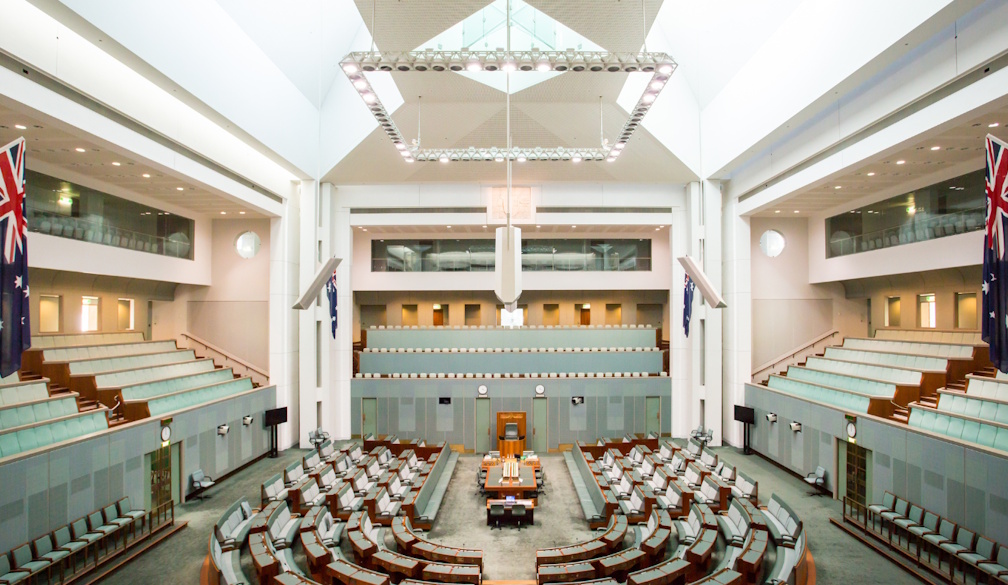
Australia’s federal budget may have been delivered in the House of Representatives, but the real political contest is only beginning.
Over coming weeks and months, the government’s tax plans, spending measures, savings proposals and controversial reforms will be debated line by line inside Parliament House. What Australians heard on budget night was effectively the opening argument. The legislative fight now begins.
For businesses, property owners, investors, workers and families already anxious about inflation, interest rates and the cost of living, the next phase matters enormously. A budget announcement means little unless legislation passes both houses of parliament.
That is where politics, negotiation and compromise collide.
Prime Minister Anthony Albanese and Treasurer Jim Chalmers may control the lower house, but Australia’s parliamentary system ensures the Senate remains a powerful gatekeeper capable of reshaping legislation dramatically.
The coming debate is likely to reveal which parties genuinely want compromise — and which are prepared to force confrontation.
Labor will argue the budget is designed to balance household relief with long-term economic reform. The Coalition will attack measures it believes punish investment, increase debt or fuel inflation. The Greens are expected to push for even larger structural reforms and greater taxation measures on wealth and property. Meanwhile, the Teals and independents may emerge as the most influential voices of all.
Australians frustrated with political division may be asking a simple question: can parliament produce compromise that appeases the nation rather than deepens the divide?
How The Budget Process Actually Works
Many Australians believe the budget becomes law on budget night. In reality, that is far from the case.
The process is lengthy and highly political.
The Treasurer first presents the budget in the House of Representatives. Budget-related bills are then introduced into the lower house where the government, if it holds a majority, can usually pass legislation relatively smoothly.
But that is only stage one.
Bills may face amendments during debate. Opposition MPs, independents and crossbench members can criticise, propose changes or attempt to delay measures. Parliamentary committees may also scrutinise complex legislation.
Once passed by the House of Representatives, the legislation moves to the Senate.
This is where governments frequently encounter difficulty.
The Senate can reject bills, amend bills or negotiate changes. If amendments are made, legislation often returns to the lower house for reconsideration before moving back to the Senate again for final approval.
It is a system intentionally designed to prevent unchecked power.
The Senate’s committee structure and estimates process also place ministers and departments under intense scrutiny, often exposing flaws, inconsistencies or political vulnerabilities.
In other words, the budget is not simply an economic document. It is a political negotiation conducted in public view.
Labor’s Challenge: Defending Reform Without Losing Support
Labor faces a delicate balancing act.
The government wants to present itself as fiscally responsible while also maintaining support among workers, younger voters and progressive constituencies demanding action on housing affordability, social spending and climate policy.
At the same time, Labor must reassure financial markets and businesses nervous about rising debt levels, tax reform and investment uncertainty.
Debate surrounding capital gains tax concessions, negative gearing, superannuation taxation and NDIS reform has already generated strong reactions across the political spectrum.
Labor’s defenders argue difficult reforms are necessary to repair structural problems within the economy.
Critics argue the government risks discouraging investment at precisely the wrong time.
The parliamentary process will force Labor ministers to defend every controversial detail repeatedly.
The Greens: Push Harder Or Risk Irrelevance?
The Greens may prove both Labor’s greatest ally and its greatest headache.
The party has already signalled support for stronger tax reform and more aggressive redistribution measures, particularly involving wealth, housing and high-balance superannuation accounts.
However, the Greens also face political risk.
If they oppose Labor too aggressively, they may be accused of destabilising government during economic uncertainty. If they cooperate too readily, they risk alienating activist supporters who expect radical change.
The Greens’ negotiating strategy may therefore focus on extracting concessions while still allowing key legislation to pass.
Housing affordability, climate spending and social welfare are likely to become central bargaining areas.
Australians should expect dramatic speeches, procedural manoeuvres and pressure campaigns as the Greens attempt to shape the national debate.
Liberals And Nationals: Opposition Or Reconstruction?
The Coalition faces its own challenge.
After electoral setbacks and internal tensions, the Liberals and Nationals are under pressure to demonstrate unity and offer a credible economic alternative.
Recent parliamentary developments have highlighted fractures and shifting crossbench dynamics.
The Coalition is expected to oppose measures perceived as anti-business, anti-investment or inflationary. Shadow economic spokespeople have already argued the government’s spending levels risk worsening cost-of-living pressures and debt burdens.
But opposition alone may not satisfy voters.
Australians increasingly want practical solutions rather than perpetual political warfare.
The Coalition therefore faces a strategic decision:
Reject the government’s agenda outright, or selectively negotiate amendments to demonstrate economic pragmatism.
The Teals And Independents: The Real Power Brokers?
Perhaps the most fascinating aspect of the coming debate is the role of the Teals and independents.
Crossbench MPs often hold disproportionate influence during tightly contested legislative battles.
Unlike the major parties, many independents are free from rigid party discipline. That gives them flexibility to support legislation in one area while fiercely opposing another.
Some Teals may support climate and integrity measures while resisting changes perceived as harmful to investors or professionals in affluent electorates.
Regional independents may focus on infrastructure, fuel costs, agriculture and healthcare funding.
Others may prioritise housing affordability, education or small business concerns.
This fragmented crossbench environment means negotiations could become highly transactional.
Individual senators and MPs may effectively become kingmakers.
Can Parliament Actually Deliver Compromise?
The deeper issue confronting Canberra is national mood.
Australia is experiencing economic fatigue.
Mortgage pressure remains intense. Fuel prices continue to worry households. Businesses complain about uncertainty. Younger Australians fear housing is becoming permanently unattainable.
In this environment, voters may punish whichever side appears ideological or inflexible.
That creates an unusual political incentive for compromise.
Labor may need moderate amendments to secure smoother passage of legislation.
The Coalition may calculate that constructive engagement appears more responsible than blanket obstruction.
The Greens may seek symbolic victories without triggering political chaos.
The Teals and independents may position themselves as practical negotiators rather than protest politicians.
Whether that produces genuine consensus remains uncertain.
Australian politics has become increasingly fragmented, emotional and tribal over recent years. Yet the parliamentary process itself still forces negotiation.
Eventually, numbers matter more than slogans.
Votes must be secured.
Deals must be made.
And legislation must survive both houses of parliament before any budget measure truly becomes law.
For Australians watching nervously from outside Canberra, the hope may be simple:
That parliament remembers the country is exhausted by conflict and eager for competence.
The budget debate now moves from headlines to hard politics.
That is where the nation will discover whether compromise still exists in Australian public life.

 Daily Bulletin


